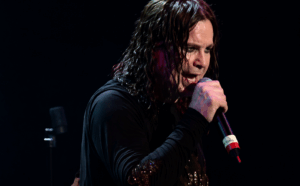


Bon Scott Named the Ultimate Icon of Rock ’n’ Roll — and Fans Agree
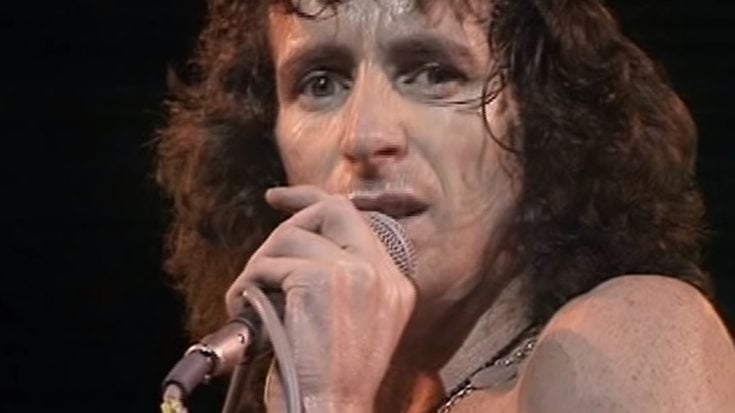
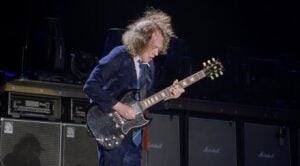
AC/DC live in 1977 - a105chris 2 / YouTube
There are frontmen, and then there are figures who come to define an entire attitude. Bon Scott belonged to the latter group. As the voice of AC/DC during their explosive rise in the 1970s, he didn’t just sing about rebellion and excess — he lived it. His raspy delivery, sharp wit, and reckless charm turned every performance into something unpredictable.
When AC/DC formed in Sydney in 1973, the band arrived with a sound that felt raw and unapologetic. The guitars were louder, the rhythms tighter, and the lyrics steeped in streetwise humor. At the center stood Scott, part poet, part pirate, grinning through songs about vice, freedom, and survival. He wasn’t polished, and that was the point.
That authenticity is a big reason why fans now call him the ultimate icon of rock ’n’ roll. Scott represented a version of the genre that felt dangerous but grounded in tradition. He understood where rock came from, even as he helped push it forward.
The Little Richard Blueprint
For all his wild stage presence, Scott’s musical compass pointed backward as much as forward. According to guitarist Angus Young, Scott often spoke about one artist in particular: Little Richard. To him, Little Richard wasn’t just influential — he was the standard.
Rock music traces its roots to blues and R&B, especially the groundbreaking sounds of 1950s Black America. Little Richard’s explosive vocals and flamboyant performances reshaped popular music. His blend of gospel fire and raw rhythm laid the groundwork for generations of rock singers who followed.
Scott admired that fearless energy. He saw in Little Richard a performer who gave everything on stage. That sense of total commitment became a hallmark of Scott’s own shows. He might have traded pompadours for denim and sweat, but the spirit was the same: loud, passionate, and impossible to ignore.
A Legacy Shared by Legends
Scott was far from alone in his reverence. Little Richard has long been hailed by rock royalty as a foundational figure. Artists such as Lemmy Kilmister and Jimi Hendrix openly praised him, with Hendrix even performing in Richard’s band early in his career. That lineage places Scott within a wider tradition of musicians shaped by the same source.
What made Scott unique was how he translated those roots into AC/DC’s stripped-down hard rock. He didn’t mimic Little Richard’s style; instead, he absorbed the attitude. The swagger, the humor, and the sense that rock ’n’ roll should feel slightly out of control all found a home in Scott’s performances.
Even after his tragic death in February 1980, that influence lingered within AC/DC. The band’s DNA still carried traces of the pioneers Scott admired. In that way, his taste in music quietly shaped the group’s next chapter.
The Connection That Shaped AC/DC’s Future
When AC/DC faced the impossible task of replacing Scott, his love for Little Richard unexpectedly played a role. Angus Young once recalled Scott telling the band about a singer he had seen in London belting out a Little Richard tune with ferocity. That singer was Brian Johnson.
Johnson wasn’t the only name considered. The band reportedly explored options that included Noddy Holder, Iggy Pop, and Marc Storace. Still, the shared admiration for Little Richard created a natural bridge between Johnson and Scott’s legacy.
That connection helped usher in a new era for AC/DC, one that would stretch across decades. While no one could replace Bon Scott, the spirit he carried — rooted in the earliest days of rock ’n’ roll — remained embedded in the band’s sound. Fans continue to celebrate him not only for how he lived, but for how deeply he understood the music that shaped him.