
5 Times Classic Rock Legends Made Truly Awful Jingles

Money has always hovered around rock music, even when the image suggested rebellion. Big tours, record deals, and endorsements were part of the machinery that kept the industry moving. Some artists kept their distance from advertising, but many others eventually stepped into it, sometimes in ways that surprised their fans. A rock star promoting lingerie, soda, or soft drinks can feel strange when placed next to the mythology of authenticity that surrounds the genre.
Commercial work has long been part of the business as well. Long before some artists reached superstardom, they sharpened their songwriting skills by creating jingles for television and radio. Barry Manilow famously began that way, writing catchy promotional songs for brands like McDonald’s and Band-Aid. His work proved that the jingle format could be clever and memorable when handled by someone who understood how to hook a listener in just a few seconds.
But not every musician who stepped into advertising left behind something worth remembering. In fact, some of the results now sound awkward, baffling, or downright embarrassing. Over the years, a handful of respected rock artists lent their voices and talents to commercials that feel oddly out of place in their careers. These moments, whether clumsy, bizarre, or simply misguided, remain some of the strangest jingles ever recorded by classic rock legends.
The Rolling Stones Sang About Rice Krispies Before They Became Legends
Long before stadium tours and global superstardom defined their career, The Rolling Stones briefly lent their sound to breakfast cereal. In 1964, the band recorded a fast and frantic jingle praising Rice Krispies. The song never entered the same conversation as the group’s early hits, and listening to it today feels oddly disconnected from the gritty blues-rock identity they would soon build.
The jingle also came from an unexpected place inside the band. Instead of being written by Mick Jagger and Keith Richards, the tune was reportedly composed by guitarist Brian Jones after a request from the advertising agency J. Walter Thompson. Jagger delivered the vocals with his unmistakable voice, which only made the lyrics feel stranger. Lines celebrating the cereal’s “snap,” “crackle,” and “pop” clash sharply with the swagger fans later associated with the group.
Payment for the job was modest as well. The Stones reportedly earned just £400 for recording the commercial, a reminder of how early this moment arrived in their rise to fame. One curious footnote came out of the session, however. It marked the band’s first collaboration with engineer Glyn Johns, who would later help shape classic albums like Beggar’s Banquet and Let It Bleed while also working with acts such as The Beatles and Led Zeppelin.

The Moody Blues Turned Their Psychedelic Sound Into a Coca-Cola Pitch
During the mid-1960s, The Moody Blues stepped into the world of advertising with a series of jingles for Coca-Cola. The first appeared in 1965 and was written and sung by original frontman Denny Laine. The commercial stood out enough that Linda McCartney later remembered it fondly, even suggesting in an interview that the catchy tune could have worked as a legitimate single.
The band soon changed direction musically after Laine left the lineup in 1966. Their sound grew more ambitious and orchestral, leading to the lush style heard on songs like “Knights in White Satin.” That shift carried into two additional Coke jingles recorded during the late 1960s. One track, titled “Chasing the Sun,” actually blended fairly well with the band’s dreamy arrangements from that era.
Another attempt proved far less graceful. The sweeping orchestration and dramatic tone clashed badly with the overly cheerful lyrics about sipping soda while cruising through a fantasy world. Decades later, guitarist Justin Hayward admitted the band had little affection for that recording. When asked to name a Moody Blues song he never wanted to hear again, he pointed directly to the Coca-Cola commercial they made in 1968.

Iron Butterfly Tried to Sell Deodorant With Psychedelic Rock
Iron Butterfly became famous for pushing psychedelic rock into heavier territory during the late 1960s. Their towering anthem “In-A-Gadda-Da-Vida,” which stretched past seventeen minutes in its full form, helped define the band’s thunderous style. That reputation made their sudden appearance in a deodorant commercial all the more bizarre.
The strange pairing arrived in 1968 when the band recorded a jingle for Ban anti-perspirant. Advertising executives believed the group’s popularity with young listeners could help market the product to a counterculture audience. The resulting television spot leaned heavily on humor, even opening with a man dressed as an elderly woman before shifting to the band’s pounding music.
The jingle itself sounded almost surreal. Iron Butterfly’s heavy riffs backed lyrics about deodorant lasting through a long day, creating an awkward contrast between psychedelic rock and everyday hygiene. The commercial remains one of the oddest examples of classic rock colliding with advertising, although it still wasn’t the strangest moment in the band’s history. Bassist Lee Dorman once even appeared on The Dating Game, delivering philosophical lines that somehow helped him win the episode’s final date.

Paul Stanley Sang a Power Ballad About Coffee for Folgers
Paul Stanley built his reputation in KISS by delivering bombastic rock anthems about partying and living large. That image made his appearance in a Folgers coffee commercial around 2000 feel completely out of character. Instead of roaring guitars and face paint, the spot featured Stanley barefaced and serenading a circus performer with a motivational coffee jingle.
The commercial opens with Stanley handing a cup of coffee to a trapeze artist while singing softly, “This is your wakeup call.” The scene then cuts to the woman practicing her aerial routine as Stanley continues the song with uplifting lyrics about chasing dreams. By the end of the ad, he delivers the familiar Folgers line about “the best part of waking up,” turning the whole moment into something closer to a sentimental pop ballad than anything fans expected from the Starchild.
The strangest twist is that the commercial never actually aired on television. Test audiences reportedly didn’t recognize Stanley without his famous makeup, which made the entire campaign feel confusing rather than clever. Years later the clip resurfaced online, where it quickly gained attention for its sheer oddness. Stanley himself later shrugged off the experience, explaining that when the offer came along, his reaction was simply: why not.

Jefferson Airplane Turned Psychedelic Rock Into Levi’s Jeans Ads
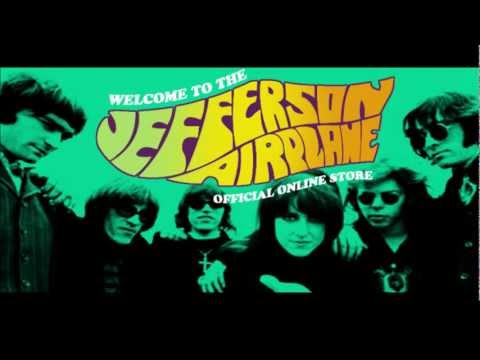
By 1967, Jefferson Airplane stood at the center of San Francisco’s psychedelic explosion. Grace Slick’s powerful voice helped drive songs like “White Rabbit” and “Somebody to Love,” making the band one of the defining acts of the Summer of Love. Around that same time, they took part in an unusual advertising project for Levi’s white jeans.
The collaboration wasn’t as restrictive as most commercial deals. The band was reportedly given creative freedom to produce several short jingles, as long as the jeans were mentioned somewhere in the lyrics. That freedom resulted in four wildly unconventional pieces, including a spoken-word segment that sounded more like experimental poetry than a clothing advertisement.
One of the musical spots leaned heavily on Indian-inspired sounds, reflecting the psychedelic trends of the era. Slick delivered dreamy lines praising the jeans while the arrangement drifted into raga-like territory. The result was undeniably strange, but also oddly fitting for a band that rarely followed conventional rules. Levi’s gained a dose of counterculture credibility, while Jefferson Airplane added one of the most peculiar advertising detours in classic rock history.