


5 Forgotten Soft Rock Hits From the 1970s
via "Paul Simon" / YouTube
Soft rock found its footing in the 1970s as a quieter, more reflective side of popular music. While louder and more rebellious styles often grabbed the headlines, this gentler sound carved out its own space through melody, emotion, and careful songwriting. It became the kind of music people lived with, not just listened to, shaping moments both big and small.
Still, the sheer volume of music released during that decade meant that some songs slipped through the cracks. Even artists who were widely celebrated had tracks that never quite reached the same level of recognition as their biggest hits. Many of these songs were not failures by any means. They simply existed in the shadow of more commercially dominant releases.
Looking back now, those overlooked recordings reveal just how rich the era truly was. These songs carry a sense of warmth and sincerity that has only deepened over time, built on expressive vocals and thoughtful lyrics. This list brings together five such tracks, each one worth revisiting or discovering, offering a fuller picture of what 1970s soft rock had to offer.
“If You See Her, Say Hello” by Bob Dylan (Blood on the Tracks, 1975)
The mid-1970s marked a renewed creative peak for Bob Dylan, and Blood on the Tracks captured that moment with striking clarity. Tucked within its tracklist is “If You See Her, Say Hello,” a song that never aimed for the spotlight yet quietly carries the weight of the album’s emotional core. Built on a gentle, unhurried rhythm, it unfolds with a calm confidence that allows every line to linger.
The song traces the aftermath of a relationship without turning to bitterness or grand declarations. Instead, it settles into something more restrained, where longing exists alongside acceptance. The narrator does not demand answers or closure. He only asks for a simple connection, a passing message, a sign that the person he once loved is still out there somewhere.
What makes the track endure is how naturally it balances warmth and distance. Its melody feels almost comforting, even as the lyrics hint at something unresolved beneath the surface. That quiet tension gives the song its staying power, making it one of Dylan’s most affecting deep cuts and a defining example of soft rock’s ability to say more by doing less.

“Our House” by Crosby, Stills, Nash & Young (Déjà Vu, 1970)
“Our House” captures a kind of happiness that rarely calls attention to itself. Written during a period of personal calm, the song reflects a moment that might otherwise go unnoticed. Graham Nash drew inspiration from everyday life with Joni Mitchell, shaping a scene that feels immediate and unforced.
The arrangement leans into simplicity, with soft piano lines and layered harmonies carrying the song forward. Nothing feels rushed or overly polished. Instead, each element works together to create a sense of ease, mirroring the quiet contentment described in the lyrics. The details remain small in scale, yet they resonate in a way that larger gestures often cannot.
That sense of familiarity is what gives the song its lasting appeal. It feels less like a product of its time and more like a memory that could belong to anyone. While it has long been recognized among fans, it still deserves to be heard as one of the clearest expressions of soft rock’s gentle charm and emotional honesty.
“Jesse” by Joan Baez (Diamonds & Rust, 1975)
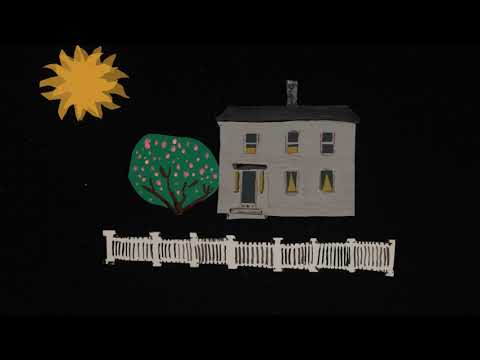
On her 1975 release Diamonds & Rust, Joan Baez delivered one of her most emotionally direct performances, and “Jesse” stands as a quiet highlight within it. Originally written by Janis Ian, the song finds new depth through Baez’s interpretation, shaped by her unmistakable clarity and control.
The arrangement leaves plenty of space, allowing the vocal to take center stage. Each line feels carefully placed, carrying the weight of absence and anticipation. The lyrics paint a picture of someone waiting, holding on to the possibility of a return that may never come, yet refusing to let go of that hope entirely.
As the song moves forward, its emotional pull becomes harder to ignore. There is no dramatic shift or sudden release, just a steady build of feeling that settles in quietly. That restraint is what gives “Jesse” its strength, making it one of the more overlooked yet deeply affecting entries in Baez’s catalog and a fitting inclusion among the era’s most understated soft rock moments.

“Help Me” by Joni Mitchell (Court and Spark, 1974)
“Help Me” finds Joni Mitchell leaning into a sound that feels both relaxed and carefully crafted. Released on Court and Spark, the track blends elements of folk, jazz, and pop without losing its sense of identity. The groove feels light on its feet, carried by bright chords and a melody that moves in its own natural rhythm.
At its core, the song captures the uneasy excitement of falling for someone who might not be good for you. Mitchell delivers the story with a knowing tone, balancing humor and hesitation as she sings about being drawn in despite the warning signs. That tension gives the song its personality, making it feel personal without becoming heavy.
The arrangement adds to that sense of ease, with each instrument slipping in without crowding the vocal. It is polished but never distant, allowing the charm of the writing to come through clearly. Even with its success at the time, the song still feels like it deserves a closer listen, especially as an example of how soft rock could stretch beyond its usual boundaries.

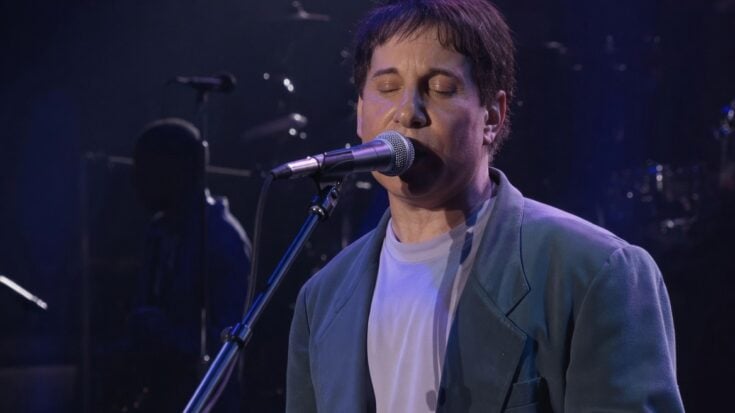
“Still Crazy After All These Years” by Paul Simon (Still Crazy After All These Years, 1975)
The title track from Paul Simon’s 1975 album opens with a quiet sense of reflection. Built around a steady piano line, “Still Crazy After All These Years” moves at an unhurried pace, letting the story unfold without forcing emotion. It feels like a conversation more than a performance, grounded in small, familiar moments.
The lyrics revisit a chance encounter with someone from the past, where time has passed but certain feelings remain unchanged. Simon approaches it with restraint, avoiding dramatic turns and instead leaning into a kind of quiet acceptance. That choice makes the song feel more real, as if it is drawn from memory rather than imagination.
As the track progresses, the arrangement slowly expands, adding texture without losing its intimacy. The shift gives the ending a sense of lift while keeping the tone intact. It settles into a mood that is both nostalgic and at peace, showing how soft rock can carry depth without raising its voice.