

5 1983 Hits That Still Shape Rock Today
via "Stevie Nicks" / YouTube
1983 felt like a turning point you could actually hear. Rock music was no longer moving in a single direction, and the shift away from the 1970s sound had become impossible to ignore. What came through radios and record stores that year carried a different kind of energy, shaped by new technology, changing tastes, and artists willing to take risks.
The songs that broke through during that period did more than climb charts. They helped stretch the definition of what rock could be. Guitars still mattered, but they now shared space with synthesizers, sharper production, and a growing crossover with pop. Styles that once felt separate began to overlap, giving rise to sounds that would dominate the rest of the decade.
Looking back, the biggest hits from 1983 were not just popular in the moment. They became reference points for everything that followed. Many of today’s rock and alternative acts still echo ideas first pushed into the spotlight during that year. The five songs ahead capture that shift, each one marking a step toward the modern shape of rock music.
“Every Breath You Take” by The Police (Synchronicity)
The sound of rock in the early 1980s began to shift toward something more controlled and atmospheric, and this track captured that change perfectly. Instead of leaning on raw aggression, it built tension through restraint. The clean guitar line, steady rhythm, and measured delivery gave the song a quiet intensity that stood out on radio at the time. It showed that rock did not have to be loud to feel powerful.
Its influence reached far beyond its chart run. Bands that followed took cues from its mood and structure, especially those coming out of the U.K. scene. A more polished and introspective style started gaining ground, one that blended new wave elements with traditional rock foundations. That approach would soon define a large portion of the decade’s most recognizable sounds.
Commercial success only reinforced its impact. The song dominated airwaves for weeks and continued to resurface long after its release. It became a staple of radio programming and one of the most frequently played tracks in history. That kind of staying power helped cement its role as a blueprint for a more refined, modern version of rock music.

“Photograph” by Def Leppard (Pyromania)
A different kind of energy was taking shape at the same time, and this track pushed it forward with confidence. From its opening riff to its driving rhythm, the song leaned into volume and momentum without losing its sense of structure. It felt built for large stages, with hooks designed to carry across arenas and stick with listeners long after the song ended.
That balance between heaviness and accessibility became a defining trait for many bands that followed. Big guitars remained at the center, but they were paired with polished production and layered vocals. The result was a sound that could dominate both rock stations and mainstream charts, opening the door for a wave of similarly styled acts later in the decade.
Its success marked the beginning of a long run for the band and helped shape the direction of hard rock in the 1980s. Songs that came after borrowed heavily from its formula, blending grit with radio-friendly appeal. It proved that rock could evolve without losing its edge, setting the stage for a new era of arena-ready anthems.

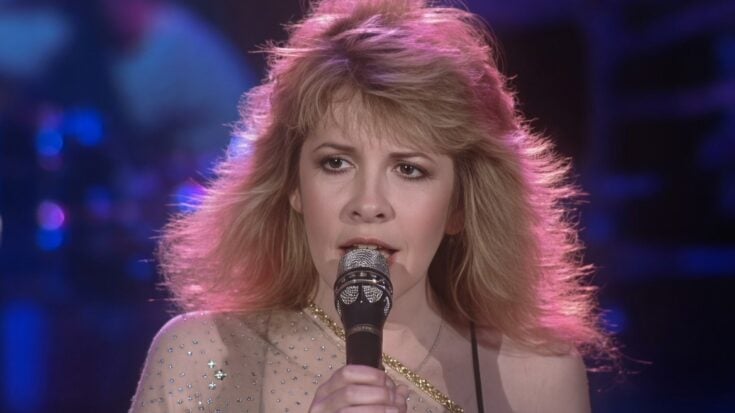
“Stand Back” by Stevie Nicks (The Wild Heart)
Rock was not just getting louder or more polished. It was also becoming more layered, and this song showed how new textures could reshape the genre. Built around a driving keyboard line, it carried a sense of motion that felt fresh at the time. The rhythm pulsed forward while still leaving room for emotion and atmosphere.
The use of synthesizers played a major role in that shift. Electronic sounds had already started to appear in pop, but bringing them into a rock framework gave the style a different identity. This track demonstrated that guitars were no longer the only foundation for a strong rock song. Instead, they could share space with keyboards and still deliver impact.
Its influence could be heard in how established artists adapted moving into the mid-1980s. More acts began experimenting with similar arrangements, blending traditional rock elements with modern production. That willingness to evolve helped keep the genre relevant, and this song stood as an early sign of where things were heading.

“Sweet Dreams (Are Made of This)” by Eurythmics (Sweet Dreams (Are Made of This))
The early wave of new wave had already moved beyond its rough beginnings by 1983, and this track captured how far it had come. Built on a looping synth line and a stripped-back beat, the song felt both minimal and futuristic. It leaned into repetition without becoming dull, creating a hypnotic sound that stood apart from guitar-driven rock dominating previous years.
What made it resonate was the tension between its mechanical surface and its emotional pull. The arrangement sounded cold and deliberate, yet the vocal delivery added depth and character. That contrast gave the track a lasting edge, showing that electronic music could still carry the weight and feeling expected from rock and pop.
Its rise in the U.S. marked a wider acceptance of synth-based acts on mainstream charts. The song’s success on MTV also played a key role, with its striking visuals helping it reach a broader audience. It helped define how music and image would work together in the decade, pushing rock further into a new, visually driven era.

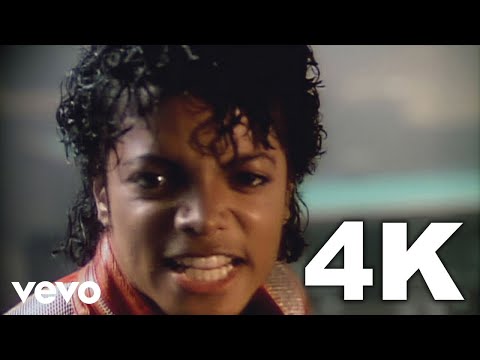
“Beat It” by Michael Jackson (Thriller)
Genre lines started to loosen in the early 1980s, and this track pushed that shift into the spotlight. It carried the structure of a pop song but leaned heavily into rock through its rhythm and guitar work. The result was something that felt familiar yet different, opening the door for wider crossover between styles that rarely mixed before.
The collaboration behind it played a big part in that sound. Bringing in musicians rooted in rock gave the track a sharper edge, especially with its fast-paced arrangement and standout guitar solo. It was built with precision, designed to hit hard without losing the polish expected from a major pop release.
Its impact reached beyond chart performance. By proving that a pop artist could deliver a convincing rock track, it changed expectations for both genres. The song helped broaden the audience for rock-influenced music and set the stage for even bigger moments that followed, including the surge of mainstream hard rock in the mid-1980s.