

Eric Clapton Admitted This Artist Was Hard to Follow
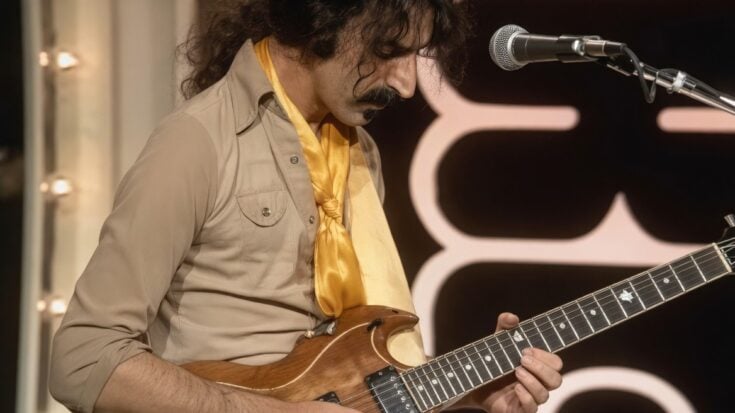
via "Dave David" / YouTube
For someone like Eric Clapton, consistency was both a strength and a burden. He built his reputation on a deep command of the blues, earning admiration from fans who wanted to hear that same emotional precision every time he played. That kind of expectation can quietly shape an artist’s choices, even when curiosity starts pulling in a different direction.
Through his time with Cream and Blind Faith, Clapton proved he could evolve within a familiar framework. Yet even in those projects, there were limits. The structure of blues-based rock offered room to explore, but it rarely demanded complete reinvention.
That tension between staying true to a foundation and chasing something unpredictable followed him throughout his career. It became especially clear when he encountered musicians who approached music with a completely different mindset, forcing him to confront how far outside his comfort zone he was willing to go.
A Different Kind of Musical Language
When Clapton crossed paths with Frank Zappa, he found himself in unfamiliar territory almost immediately. Zappa’s approach to music was less about tradition and more about constant reinvention. Structure existed, but it was fluid, often shifting in ways that defied expectation.
Zappa’s work, from Freak Out! to Hot Rats, showed a commitment to originality above all else. He treated genres like raw materials rather than rules. For a guitarist rooted in the blues, this kind of thinking could feel almost alien, especially when it unfolded live on stage.
Clapton later admitted he struggled to make sense of it. The complexity wasn’t just technical. It was conceptual. Zappa’s music demanded a different kind of listening and reacting, one that didn’t rely on familiar patterns or predictable phrasing.

The Jam That Changed Everything
The moment that stayed with Clapton came during a live performance when Zappa invited him on stage. What should have been a straightforward guest appearance turned into something far more disorienting. Zappa began directing his band with hand signals, shifting through multiple time signatures in rapid succession.
For Clapton, it was overwhelming. He described the experience as something that completely threw him off balance. The usual instincts he relied on as a blues guitarist suddenly didn’t apply. The ground beneath him, musically speaking, kept moving.
That experience wasn’t just about being outplayed. It was about being placed in a setting where his usual tools didn’t work. It exposed a gap between technical skill and adaptability, reminding him that even the most accomplished musicians can feel lost when the rules change.
Growth Beyond the Comfort Zone
Moments like that tend to linger, and in Clapton’s case, they became part of his artistic development. While he never adopted Zappa’s experimental style, the encounter seemed to nudge him toward subtle expansion. His later work shows hints of a willingness to explore beyond strict blues traditions.
Growth in music doesn’t always mean a complete transformation. Sometimes it comes from recognizing limitations and quietly pushing against them. Clapton remained deeply connected to the blues, but his perspective widened after being exposed to something so radically different.
Encounters with artists like Zappa serve as reminders that discomfort can be valuable. They challenge assumptions and force reflection. For Clapton, being “thrown off” on stage wasn’t a failure. It was a rare moment of clarity that even mastery has its boundaries, and that stepping beyond them is where new ideas begin.