


How One Dylan Song Became a Cultural Favorite
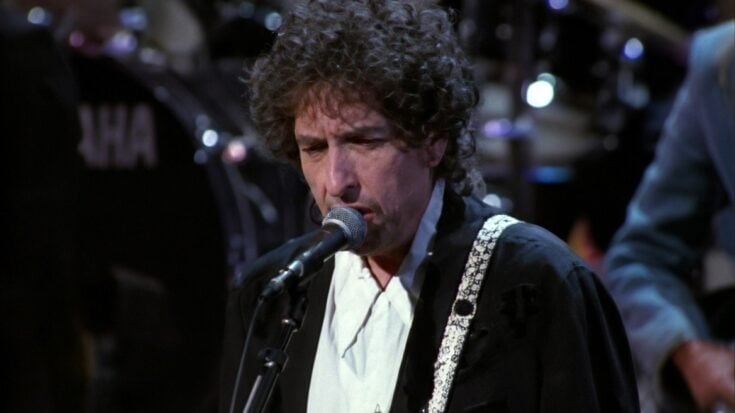
via "BDM" / YouTube
When Bob Dylan released “Like a Rolling Stone” in 1965, it didn’t sound like anything else on the radio. Most pop songs at the time stayed within a tight structure and rarely crossed the three-minute mark. Dylan went in the opposite direction. The track stretched past six minutes, opened with that striking snare hit, and unfolded like a stream of thoughts rather than a neat, polished lyric.
The arrangement helped it stand out even more. The swirling Hammond organ and loose, almost chaotic energy gave the song a sense of movement that matched its theme. Dylan’s vocal delivery was rough and unpolished, but that was part of the appeal. It felt immediate and real, like he was speaking directly rather than performing.
Despite its unconventional style, the song connected quickly. It carried a strange mix of brightness in its sound and tension in its lyrics. That contrast pulled listeners in. It was catchy enough to hum, but layered enough to keep people thinking long after it ended.
The Breakthrough That Changed Everything
“Like a Rolling Stone” marked a turning point in Dylan’s career. Before this, he was already respected in folk circles and had written songs that became hits for others. Tracks like “Blowin’ in the Wind” and “Mr. Tambourine Man” helped build his reputation, but this was the moment he fully stepped into the spotlight on his own terms.
Dylan himself understood how important the song was while he was writing it. He described it as something that poured out of him in a long, raw draft before being shaped into the final version. That sense of urgency never left the finished track. It carried the feeling of something discovered rather than carefully constructed.
Listeners responded immediately. The song climbed to No. 2 on the Billboard Hot 100, which would remain Dylan’s highest chart position. Still, the numbers didn’t tell the full story. The track didn’t just perform well. It reshaped how audiences and musicians thought about what a popular song could be.
A Voice for a Restless Generation
Part of the song’s lasting impact comes from its message. At its core, “Like a Rolling Stone” deals with displacement and identity. Lines like “How does it feel to be on your own” captured a mood that many young people in the mid-1960s understood deeply. It spoke to a generation questioning where they belonged.
The imagery also added depth. The idea of a “rolling stone” suggested someone constantly moving, never settling. Dylan drew from influences like Woody Guthrie, whose life and music often reflected that same wandering spirit. The phrase itself echoed the old saying about a rolling stone gathering no moss, reinforcing the theme of detachment.
This sense of rootlessness became one of the defining emotional tones of the era. The song didn’t offer easy answers or comfort. Instead, it held up a mirror. That honesty made it resonate far beyond its release, turning it into something people returned to again and again.
From Chart Hit to Cultural Landmark
Even though it never reached No. 1 on the charts, “Like a Rolling Stone” eventually found recognition in a different way. In 2004, Rolling Stone ranked it at the very top of its “500 Greatest Songs of All Time” list. That placement reflected its long-term influence rather than its initial chart performance.
Over the years, the song has been praised for opening doors. It showed that popular music could be longer, more complex, and more expressive without losing its audience. Many artists who came after took cues from its structure and attitude, pushing their own boundaries as a result.
Its reputation continues to grow with time. What started as a bold, unusual single became a reference point for songwriting itself. The song didn’t just succeed in its moment. It changed the expectations of what a song could achieve, which is why it still feels relevant decades later.