

The Beatles Rejected This Song Before It Became a Hit
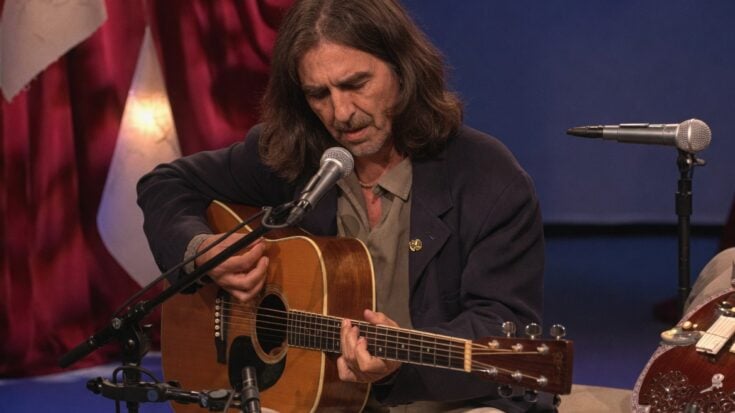
via "Kitsu Beatles" / YouTube
When people think of The Beatles, the spotlight usually lands on John Lennon and Paul McCartney. Their partnership produced a long list of defining hits, and over time, it shaped the band’s identity in the public eye. That dominance, while effective, left less room for others in the group to contribute on the same level.
George Harrison often found himself working within those limits. Even though his songwriting grew stronger with each album, he had to compete for space on records that were already packed with Lennon-McCartney material. His contributions were fewer, but they carried a distinct voice that stood apart from the band’s usual style.
One song, in particular, revealed just how difficult that process could be. Rejected multiple times during the band’s peak years, it eventually found life elsewhere. That track was “Isn’t It a Pity,” a song that would later prove its worth far beyond the walls of The Beatles.

A Song That Didn’t Fit the Moment
Harrison first introduced “Isn’t It a Pity” during sessions for Revolver. The album would go on to become one of the band’s most celebrated works, filled with experimentation and bold ideas. Yet even in such an open creative environment, not every song found its place.
The track resurfaced more than once after that initial attempt, but each time, it was passed over. The reasons were never fully documented, which only adds to the mystery. It may have been a matter of timing, or simply the internal dynamics of a band that already had a strong creative hierarchy.
What is clear is that the rejection was not about a lack of quality. The song’s structure and emotional weight didn’t align with what the group was prioritizing at the time. In a band moving quickly and constantly evolving, some ideas were left behind, even strong ones.
A Reflection of Personal and Universal Struggles
“Isn’t It a Pity” carries a tone that feels heavier than many Beatles tracks from the same era. Its lyrics deal with disappointment, reflection, and the quiet realization that relationships often break down because people fail each other. That message gives the song a lasting emotional pull.
Harrison himself explained that the song came from observing both his own behavior and the world around him. It was not written as a direct attack on anyone but rather as a broader reflection on human nature. That perspective gave it a universal quality that listeners could easily connect with.
At the same time, it is difficult to ignore how the song mirrors the internal tensions within The Beatles. As the group drifted apart creatively and personally, themes of misunderstanding and distance became more real. Whether intentional or not, the song captured that atmosphere with striking clarity.
A Second Life Beyond The Beatles
After The Beatles disbanded, Harrison finally had the freedom to revisit songs that had been set aside. “Isn’t It a Pity” found its place on his solo album All Things Must Pass, released in 1970. The album marked a turning point, showing just how much material he had been holding back.
The song quickly became one of the standout tracks from that record. Its layered production and emotional depth gave it a presence that might not have been fully realized within the band setting. In a way, its rejection allowed it to grow into something bigger.
Harrison also reunited with Ringo Starr for the recording, bringing a sense of continuity from his Beatles years into his solo work. That collaboration highlighted how much talent existed beyond the Lennon-McCartney core. What was once overlooked became a defining moment in Harrison’s career, proving that sometimes, a delayed opportunity can lead to a stronger result.