
4 Perfect Hit Songs That Nobody Can Possibly Hate
via The Queen Collector / YouTube
It’s almost a rule of nature that nothing escapes criticism. No matter how iconic a song becomes, someone somewhere is ready to roll their eyes and push back against the consensus. Music fandom thrives on debate, and that tension is part of what keeps pop culture alive. Still, there are a handful of tracks that feel strangely immune to that instinct to dislike.
These songs don’t rely on hype or nostalgia alone. They work because they connect immediately, whether through melody, emotion, or a sense of timing that feels just right. You don’t have to know the backstory, the chart history, or even the artist’s full catalog to feel their impact. They slip past personal taste and land somewhere closer to shared experience.
The following four hits fall squarely into that rare category. They’ve survived changing trends, shifting audiences, and decades of replay without losing their appeal. You may not call them your all-time favorites, but it’s hard to argue against how perfectly they do what they set out to do. These are songs that feel universally welcome, no matter who’s listening.
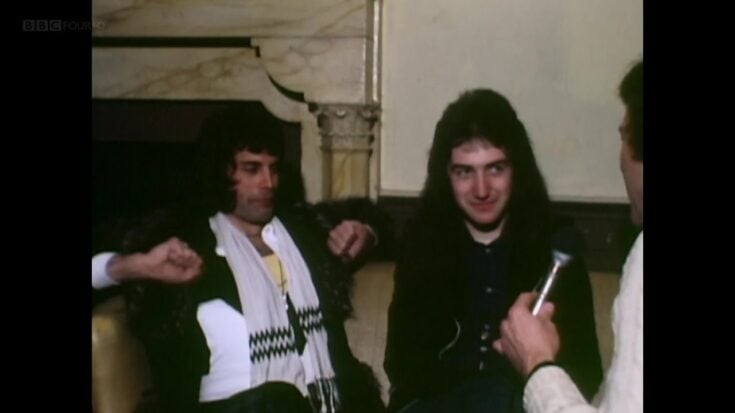
“Bohemian Rhapsody” – Queen, A Night at the Opera (1975)
Released in 1975, “Bohemian Rhapsody” arrived without a clear rulebook. It didn’t follow standard song structure, ignored radio conventions, and stitched together styles that weren’t supposed to coexist. Opera, hard rock, balladry, and theatrical chaos all found their way into a single track, yet it somehow felt cohesive rather than confused.
What truly keeps the song untouchable is how confidently every section commits to its moment. Freddie Mercury’s vocal performance shifts from intimate to explosive without sounding forced, while Brian May’s guitar work cuts through with clarity instead of excess. Even decades later, each transition still feels intentional, not indulgent.
Its longevity says everything. The song has been rediscovered by new generations through films, sports arenas, and late-night singalongs, yet it never feels worn out. You don’t have to love Queen to recognize how perfectly this song executes its ambition. It earns its reputation every single time it plays.

“Fast Car” – Tracy Chapman, Tracy Chapman (1988)
“Fast Car” doesn’t rely on big gestures or dramatic production to make its point. Instead, it quietly unfolds a story that feels uncomfortably real for anyone who’s ever hoped for a way out. Tracy Chapman’s voice remains steady and restrained, which makes the emotional weight of the lyrics land even harder.
The song’s power comes from its honesty. It doesn’t offer a fantasy ending or a triumphant escape, just the complicated reality of trying to move forward while carrying everything behind you. That grounded approach is why the song resonates across decades and social backgrounds.
Its continued relevance proves how universal the song’s themes are. Whether heard in its original 1988 form or revisited through modern covers and collaborations, “Fast Car” still connects immediately. It’s the kind of song people don’t argue about—they just listen.

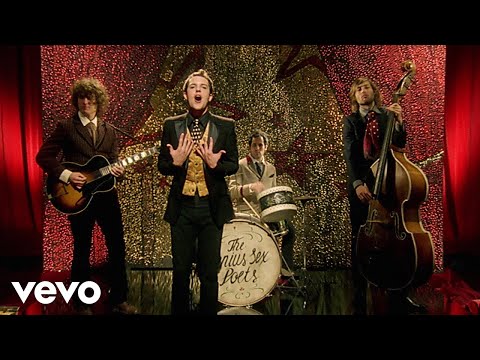
“Mr. Brightside” – The Killers, Hot Fuss (2004)
From its opening drumbeat, “Mr. Brightside” feels instantly familiar, even on a first listen. It captures jealousy, insecurity, and spiraling thoughts in a way that feels raw without becoming melodramatic. That balance is rare, especially for a debut-era single.
Unlike many early-2000s alternative hits, this song hasn’t aged into irony. The lyrics remain specific but relatable, and the energy never dips into self-parody. Brandon Flowers’ delivery keeps the song urgent, as if the emotions are still unfolding in real time.
Its cultural afterlife is impossible to ignore. Played at weddings, bars, festivals, and sporting events, it turns crowds into choirs without effort. You don’t need nostalgia to understand why it works—it simply taps into feelings that never go away.
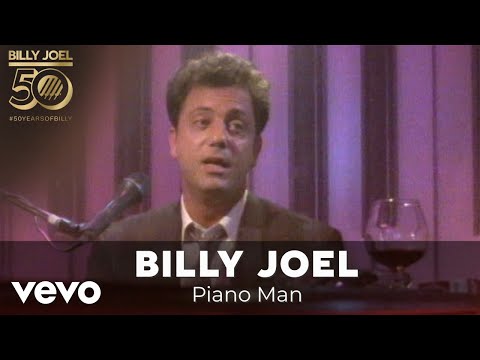
“Piano Man” – Billy Joel, Piano Man (1973)
“Piano Man” feels less like a performance and more like a shared moment. Billy Joel doesn’t present himself as the star of the song so much as the observer, quietly sketching the lives of people gathered around a bar on an ordinary night. That perspective makes the song welcoming rather than showy.
Each character introduced feels recognizable, even if you’ve never stepped into that exact setting. The melody moves gently, giving the lyrics room to breathe, while the harmonica adds a warmth that feels timeless instead of dated. Nothing about the song rushes, and that patience is part of its charm.
Over time, it’s become a communal anthem rather than just a hit. People don’t just listen to “Piano Man”—they participate in it. That kind of shared affection is hard to manufacture, and even harder to dislike.