

The Rock Songs Even Their Own Creators Grew Tired of Playing

via NPR Music / YouTube
Success in rock music has a funny way of narrowing your options. A song that once felt spontaneous or even disposable can turn into a permanent fixture, demanded night after night by audiences who only want to hear the familiar. What begins as a breakthrough often hardens into obligation, especially when a single track becomes bigger than everything else an artist has done since.
That pressure hits hardest when time changes how musicians hear their own work. Lyrics written in a rush, ideas shaped to satisfy a label, or youthful impulses that once felt urgent can start to feel shallow or misrepresentative years later. Yet those are often the very songs that refuse to fade, following artists through decades of touring while deeper, more personal material gets pushed to the margins.
Not every musician reacts the same way. Some make peace with the crowd-pleasers and treat them as part of the job. Others openly bristle at the mention of certain titles, speaking candidly about frustration, boredom, or even embarrassment. This uneasy relationship between artist and hit reveals a side of rock stardom that rarely lines up with the myth: the songs that built a legacy can also become the ones their creators wish they could leave behind.
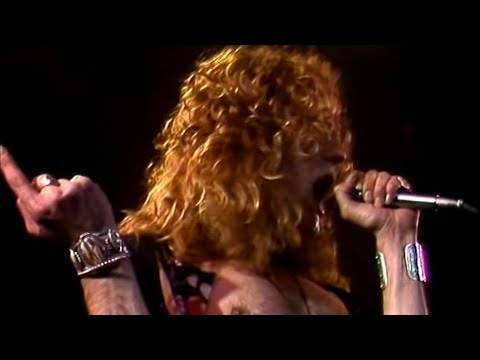
Why Robert Plant Has Little Interest in Revisiting “Stairway to Heaven”
For a song that looms as large as “Stairway to Heaven,” it’s easy to assume its creator would feel nothing but pride. Yet Robert Plant has long treated the track with a kind of polite distance. As his career moved forward and his interests widened beyond bombastic hard rock, the song began to feel less like a defining statement and more like a snapshot of someone he no longer was.
Plant has never dismissed the music itself, often singling out Jimmy Page’s compositional brilliance. His discomfort centers instead on the words and delivery, which he’s described as very much tied to youth. Written in his early twenties, the lyrics reflect a mindset that no longer aligns with how he sees himself or the world decades later, making repeated performances feel increasingly awkward.
That doesn’t amount to resentment so much as detachment. Stairway to Heaven still commands respect, but it no longer defines what Plant wants to express onstage. Over time, he’s made it clear that while the song belongs to his past, it doesn’t need to follow him everywhere he goes.
Pete Townshend Wrote a Hit He Never Fully Believed In
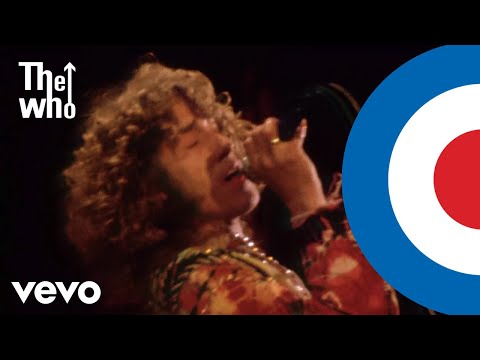
Embarrassment isn’t a word many musicians would use to describe one of their biggest hits, but Pete Townshend has never sugarcoated his feelings about “Pinball Wizard.” From his own perspective, the lyrics felt clumsy and rushed, a rare case where instant success clashed hard with personal standards he held for his writing.
The irony, of course, is that nearly everyone else loved it. The song became a cornerstone of Tommy, helping propel the record—and The Who—to new commercial heights. While audiences embraced its energy and hook, Townshend was left grappling with the knowledge that something he considered flimsy had become essential listening.
Adding to the frustration was how calculated the song’s origin really was. Written in part to satisfy a critic with a fondness for pinball, Pinball Wizard wasn’t born from deep inspiration so much as strategic thinking. That it ended up haunting setlists for decades only sharpened the disconnect between how the public hears it and how its author feels playing it.
Kurt Cobain Grew Tired of Playing Nirvana’s Breakout Hit
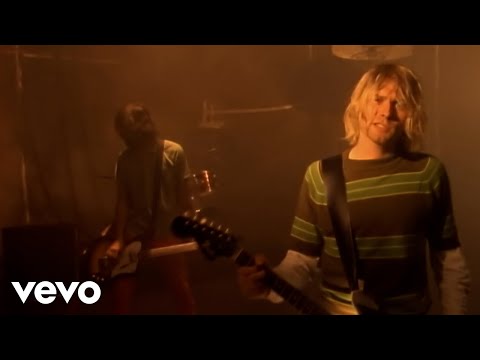
Nothing reshapes a band’s fate quite like an accidental anthem. For Kurt Cobain, “Smells Like Teen Spirit” quickly stopped feeling like a breakthrough and started feeling like a trap. Its nonstop rotation and cultural takeover turned each performance into a reminder that the song had eclipsed everything else Nirvana was trying to say.
Cobain bristled at how narrowly audiences defined the band through that one track. He openly admitted that playing it could feel exhausting, especially when crowds treated it as the only song that mattered. The pressure to deliver enthusiasm on cue often clashed with his internal frustration, making the experience feel increasingly hollow.
Part of that discomfort came from how consciously the song was assembled. Cobain acknowledged drawing inspiration from Pixies and the primal simplicity of Louie, Louie, shaping something meant to connect immediately. When it grew into a defining symbol of a generation, the fun vanished. By the end, Nirvana often treated the song with visible reluctance, and Cobain’s final live performances pointed instead toward material like Heart-Shaped Box, which felt closer to where he truly was.
James Hetfield Would Rather Leave “Escape” in the Past
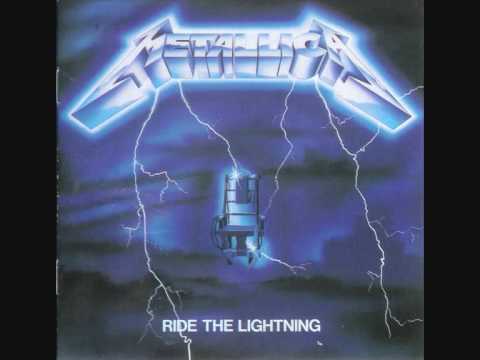
Even within a catalog as meticulously honed as Metallica’s, there’s at least one song the band would rather forget. “Escape” has long occupied that uncomfortable space, largely because it wasn’t born from inspiration so much as obligation. Added late in the recording process for Ride the Lightning, the track exists because the album needed filling, not because the band felt it demanded to be written.
For James Hetfield, that origin matters. The song represents a moment where compromise trumped instinct, something the band has rarely tolerated since. Musically, it never sat right either, with Kirk Hammett later pointing out that its key felt awkward and uncharacteristic. Those small irritations added up, turning “Escape” into a track that never truly felt like Metallica, even on its own album.
That lingering discomfort explains its near-absence from live shows. When the band finally dusted it off decades later, Hetfield didn’t pretend enthusiasm, introducing it with open reluctance. Even Lars Ulrich, typically more forgiving, has framed the song as an outlier—functional, radio-friendly, but never essential. In a band known for conviction, “Escape” remains the rare example of a song that simply never earned its place.
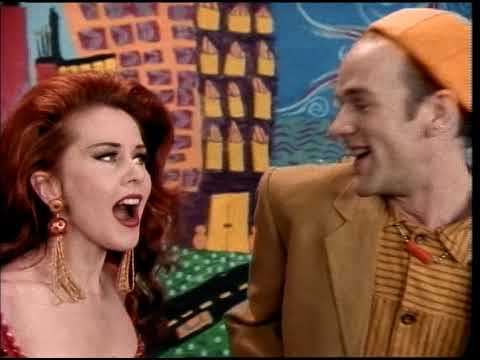
The R.E.M. Hit Michael Stipe Wouldn’t Choose to Be Remembered By
Success didn’t shield “Shiny Happy People” from second-guessing—it amplified it. For Michael Stipe, the song’s cheerful surface has always felt at odds with how he wants R.E.M. to be remembered. Despite its chart performance and role in pushing Out of Time into the mainstream, he’s repeatedly described it as lightweight and misrepresentative.
What complicates matters is that the song wasn’t written cynically. Stipe originally intended it as a moment of brightness during a grim historical stretch, a deliberate contrast to the weight of the early ’90s. Over time, though, listeners couldn’t quite agree on how to take it—earnest, ironic, or somewhere uncomfortably in between. That ambiguity only deepened Stipe’s unease as the song grew larger than its context.
Live performances became rare, and Stipe didn’t hide why. He’s been candid, even blunt, about his discomfort, admitting that while he’s made peace with the song’s existence, its popularity still feels awkward. The fact that “Shiny Happy People” became one of the band’s most recognizable tracks is exactly the problem. For Stipe, it’s less a regret than a reminder that sometimes the songs that travel furthest aren’t the ones artists would choose to carry with them.