

The Artist That Left a Mark on Keith Richards

via "Alex Sturgeon" / YouTube
When Keith Richards first picked up a guitar, he wasn’t aiming to just get by with a few easy chords. There was already a sense that rock and roll had something deeper to offer, something that went beyond simple rhythm and into feeling.
The influence of Chuck Berry was impossible to ignore. His playing had drive and personality, and it gave early rock its pulse. But for Richards, that kind of energy was only the starting point, not the destination.
He kept looking for something that hit harder in a way that felt honest and lived-in. Not louder, not faster—just more real. That search followed him into every riff he played, shaping how he approached the guitar long before the most recognizable Stones songs ever came together.
The Riff That Carries Everything
The sound of The Rolling Stones didn’t rely on complexity. It came from riffs that felt direct and grounded, the kind you could recognize in seconds without needing anything extra layered on top.
Richards treated the guitar like it had its own voice. A riff wasn’t decoration—it was the center of the song, something that carried the weight while everything else moved around it.
That approach made even the simplest parts feel complete. Whether it was the opening of “Gimme Shelter” or the groove of “Honky Tonk Women,” the guitar always sounded like it had something to say, and it said it clearly without overplaying.
The Blues Beneath the Surface
Underneath all that rock and roll was something older. The Stones didn’t stumble into the blues—they studied it. They lived in it. And for Richards, that meant going past the obvious names and digging into the roots.
Artists like Robert Johnson and Buddy Guy shaped the emotional side of the music. Their playing wasn’t just technical—it carried a sense of life experience in every note.
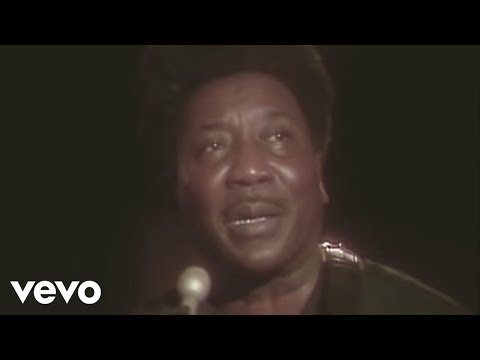
But there was one artist who hit differently. When Richards was introduced to Muddy Waters through Mick Jagger, it wasn’t just another influence. It was a moment that shifted everything. The sound was heavier, more direct, and impossible to ignore.
The Power of Muddy Waters
Hearing Muddy Waters wasn’t a casual experience for Richards. It stayed with him. Songs like “Still a Fool” and “Hoochie Coochie Man” didn’t just impress him—they overwhelmed him. He kept going back, again and again, trying to understand what made them hit so hard.
What stood out wasn’t complexity. It was expression. Waters could take a few chords and make them feel enormous. There was weight in every phrase, like each note had something to say.
That’s what Richards carried forward. Even when The Stones tried to revisit the blues later on, they could never fully recreate that original force. Not because they lacked skill, but because that kind of expression comes from somewhere personal.