

3 Famous Songs That Ignited Explosive Feuds Between Rock Legends

Creative tension has always been part of rock music. Rivalries, bruised egos, and personal betrayals often simmer behind the scenes, and sometimes those feelings find their way directly into the songs themselves. What begins as a private disagreement between musicians can quickly become public once it’s immortalized in a lyric or a pointed musical jab.
Rock history is filled with moments where a single track sparked outrage, retaliation, or years of lingering hostility between artists. A cutting line in a verse or an unmistakable reference can turn a song into something more than just entertainment. Listeners might hear a catchy tune, but the musicians involved often know exactly who the target is.
These kinds of songs reveal a different side of the rock world—one where friendships fracture and creative expression becomes a weapon. Some of the most famous feuds in music were fueled, or at least intensified, by songs that made the conflict impossible to ignore. The following tracks didn’t just stir controversy; they ignited explosive disputes between rock legends.
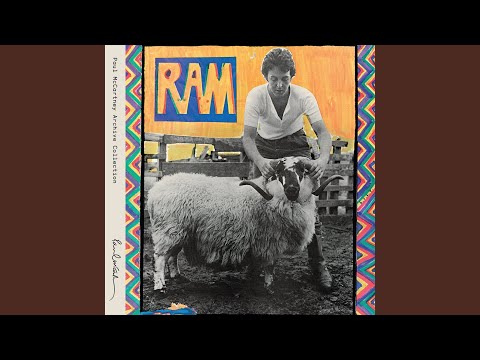
“Too Many People” by Paul McCartney (Ram, 1971)
The breakup of The Beatles left a trail of bitterness that took years to cool. During the early 1970s, Paul McCartney and John Lennon were no longer speaking regularly, and their disagreements were spilling into interviews, business disputes, and eventually their music. When McCartney released the album Ram in 1971, listeners quickly noticed that one track seemed to carry more than a little personal resentment.
“Too Many People” included several lines widely interpreted as jabs at Lennon and Yoko Ono. McCartney later admitted that certain lyrics were aimed at Lennon’s increasingly public political messaging and what he viewed as preachy activism. The line “Too many people preaching practices” caught attention immediately, while another lyric—“You took your lucky break and broke it in two”—was often read as a criticism of Lennon turning away from The Beatles.
Lennon didn’t let the insult slide. Soon afterward he released “How Do You Sleep?” on his album Imagine, a blistering response that openly mocked McCartney’s songwriting and questioned his legacy. The track even featured George Harrison on guitar, which only added another layer of tension to an already fragile post-Beatles relationship.
“I’ll Stick Around” by Foo Fighters (Foo Fighters, 1995)
The collapse of Nirvana after Kurt Cobain’s death in 1994 left unresolved tensions between people close to the band. Dave Grohl moved forward by forming Foo Fighters, but his relationship with Courtney Love—Cobain’s widow and the frontwoman of Hole—remained strained. Their disagreements, which often played out in public, centered on money, royalties, and the legacy of Nirvana.
When Foo Fighters released their self-titled debut album in 1995, one track carried a noticeable edge. “I’ll Stick Around” sounded like a declaration of independence, and fans immediately speculated that the lyrics were aimed at Love. For years Grohl avoided confirming the theory, even as the rumors followed the song.
In 2009 he finally acknowledged what many had suspected all along. Grohl admitted that the track was indeed about Love, pointing listeners straight to the lyrics as proof. Lines like “I’ve been around all the pawns you’ve gagged and bound” made the message unmistakably sharp, turning the song into one of rock’s more memorable musical call-outs.

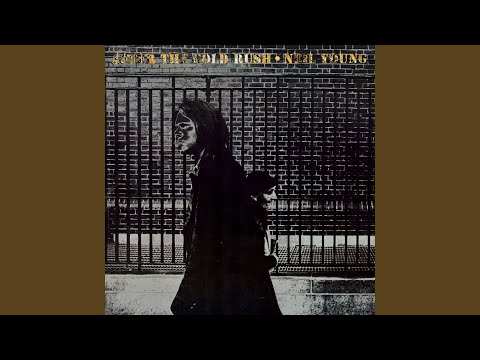
“Southern Man” by Neil Young (After the Gold Rush, 1970)
Neil Young has never shied away from writing about political or social issues, and in 1970 he released one of his most direct statements on the subject. “Southern Man,” from the album After the Gold Rush, confronted the long history of racism in the American South. The song’s blunt lyrics and accusatory tone made it one of Young’s most controversial early tracks.
The criticism didn’t sit well with everyone. Members of the Southern rock band Lynyrd Skynyrd felt the song painted the entire region with a broad brush. A few years later they responded in their own way through the 1974 hit “Sweet Home Alabama,” which included the pointed lyric: “I hope Neil Young will remember / A southern man don’t need him around anyhow.”
Unlike many rock feuds, this one never fully turned hostile. Young later said he actually liked “Sweet Home Alabama” and respected Lynyrd Skynyrd’s music. Ronnie Van Zant, the band’s singer, even wore Neil Young T-shirts on stage. The exchange still stands as one of the most famous examples of musicians answering each other directly through song.