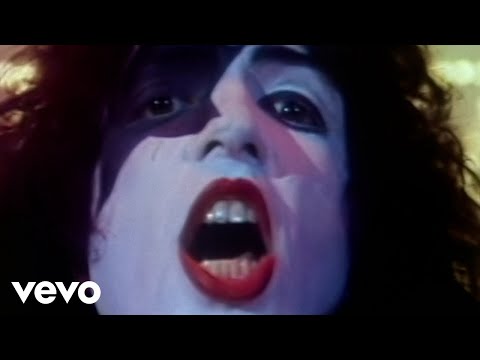


Paul Stanley Says He Never Wanted to Make This Album

via Paul Stanley's Soul Station" / Youtube
Long before KISS became one of the most recognizable bands in rock history, Paul Stanley wasn’t even sure he wanted to team up with Gene Simmons. Their personalities and musical egos didn’t exactly align at the start, and Stanley saw early signs that Simmons viewed songwriting as a closed circle—one he wasn’t eager to expand. That hesitation could have stopped everything before it began.
Still, Stanley took the risk, and that decision changed the trajectory of 1970s rock. What followed was a band that didn’t just play music—they performed it like a full-scale spectacle. Fireworks, makeup, and larger-than-life personas turned their shows into events, helping them stand out even among giants of the era.
That rise came with pressure. As the band’s fame grew, so did internal tension. The same ambition that fueled their success began pulling them in different directions, setting the stage for decisions that would challenge their unity—none more telling than the moment Stanley found himself making an album he never truly wanted to create.
When the Band Became Four Separate Voices
As success piled up, the bond between members of KISS started to loosen. Gene Simmons began exploring projects outside the group, and it didn’t take long for the rest of the band to follow. What was once a tightly focused unit slowly became four individuals moving in parallel rather than together.
By the late 1970s, that shift was impossible to ignore. Instead of collaborating on a single record, each member began working on solo material. It wasn’t just a creative decision—it reflected deeper cracks forming within the band. The shared vision that once defined them was becoming harder to maintain.
For Paul Stanley, this was not the direction he had hoped for. He had built his identity around the band, not outside it. Watching things drift toward individual pursuits forced him into a situation where staying aligned with the group meant stepping away from what he actually wanted to do.
The Solo Album He Didn’t Want
In 1978, all four members of KISS released solo albums on the same day. On the surface, it looked like a bold and unified marketing move. In reality, it was a compromise—an attempt to hold things together while the band itself was starting to pull apart.
For Paul Stanley, the project felt less like an opportunity and more like an obligation. He later admitted that he didn’t have much of a choice. The idea was to present unity, even if it meant masking the reality behind the scenes. The solo albums became a kind of illusion—four separate works presented as one collective statement.
Stanley would later describe the situation in blunt terms. To him, the project was like putting a temporary fix on a much bigger problem. Rather than strengthening the band, it highlighted how far things had already drifted, leaving him with an album that existed more out of necessity than desire.
Experimentation, Identity, and Holding It Together
When KISS returned with Dynasty in 1979, the effects of that fractured period were still clear. The album moved across styles—rock, disco, and funk—sometimes within the same record. It reflected a band still trying to function as one while carrying very different musical ideas.
Under normal circumstances, that kind of inconsistency might have hurt a band’s identity. But KISS had something others didn’t: a visual and theatrical unity that tied everything together. No matter how much the sound shifted, the image remained unmistakable, giving fans something consistent to hold onto.
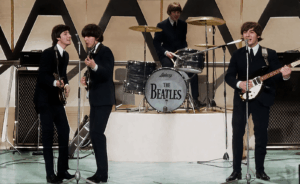
There was also a philosophy behind it, one that Gene Simmons compared to The Beatles. The idea was simple—no matter the style, it still belonged to the same band. That mindset allowed KISS to experiment freely, even during a time when their internal cohesion was under strain, and helped them push forward despite the uncertainty behind the scenes.