

These Rock & Roll Hall of Famers Have Songs That Aged Terribly
via @TheBeatlesAtTheStudio231 / YouTube
The Rock & Roll Hall of Fame has always carried a complicated reputation. It’s celebrated, debated, and occasionally mocked, yet it still manages to signal a certain status within the music industry. Every year, a fresh class of inductees gets the spotlight, drawing attention from fans, journalists, and musicians who grew up dreaming of that kind of recognition.
The Hall’s earliest inductees shaped nearly everything modern music stands on. From the raw energy of early rock pioneers to the deep soul and blues influences that continue to echo today, their work sits at the core of popular culture. Their catalogs are studied, sampled, and revisited decade after decade, and for good reason—they’re some of the strongest recordings ever made.
But even the giants left a few missteps behind. Time has a way of sharpening the flaws that once hid behind catchy hooks or cultural norms. Some songs simply don’t hold up anymore, especially when the lyrics lean into attitudes that feel outdated or narrow by today’s standards. Below are several tracks from Hall of Fame legends that haven’t aged nearly as well as the legacies of the artists who created them.
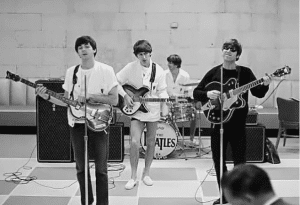
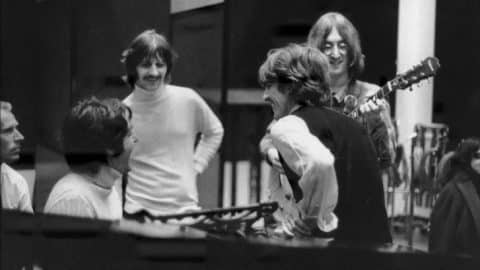
The Beatles – “Run for Your Life”
The Beatles’ catalog is often treated as sacred ground, the kind of body of work that generations study, imitate, and revisit without hesitation. Their impact is woven into nearly every corner of modern music, and the band’s influence still lands with surprising force decades after they called it quits. But buried within that celebrated run are a few tracks that haven’t weathered time with the same grace as their bigger, bolder masterpieces.
“Run for Your Life,” tucked at the end of Rubber Soul, is one of those songs that gets harder to defend as the years pass. What may have once been overlooked as a rough lyrical experiment now feels jarring, especially when set against the band’s usual warmth and evolving sense of maturity. It’s an outlier in tone, and not in a way that earns the benefit of historical context.
The song’s narrator directs jealous warnings toward a young woman, framing his possessiveness as a matter-of-fact truth rather than something worth challenging. Knowing what John Lennon later admitted about his early relationships only highlights how off-putting the track has become. Even devoted Beatles fans rarely argue for its redemption, and it’s unsurprising that the band themselves left it behind without ceremony.

The Police – “Don’t Stand So Close to Me”
The Police built a remarkable legacy on sharp songwriting and unusual emotional tension, pairing bright melodies with subjects that often felt far more shadowed. Their catalog swings from wide-eyed romantic excitement to songs that lean into discomfort and obsession. That blend made them unique in their era, but it also means certain tracks sit differently when revisited today.
“Don’t Stand So Close to Me” is one of those uncomfortable cases, even if it was a staple of early ’80s radio. The song spins a tale built around the blurred line between a teacher and student, treating the unfolding attraction with a tone that never quite acknowledges the imbalance at the story’s core. Its catchy hook makes the content even stranger, as if the music is at odds with its own narrative.
Sting’s former life as a schoolteacher only adds another layer that’s hard to dismiss now. What once may have been framed as edgy storytelling comes across today as needlessly provocative, especially when placed beside other Police songs that explore darker feelings with far more nuance. It remains a hit, but its place in modern conversations is undeniably more awkward.

Guns N’ Roses – “One in a Million”
Guns N’ Roses always carried a reputation for volatility, both in their sound and in their public persona. Their biggest singles showed a surprising capacity for vulnerability, which is part of why fans still hold them close. But mixed into that same era are songs that stray so far into hostility and recklessness that even longtime listeners have grown uneasy revisiting them.
“One in a Million” sits at the center of that discomfort. Released on G N’ R Lies, the track arrived during the height of the band’s visibility, yet its lyrical content sparked immediate backlash. What unfurls across the song is a string of slurs and sweeping insults, delivered with a tone that feels less like character work and more like provocation without purpose.
Arguments about intent have followed the track for decades, but the result is the same: the song aged badly the moment it hit the public. Even the band’s own distancing in later years suggests an acknowledgment that the track crossed a line. Time hasn’t softened it, and unlike the band’s stronger material, this one survives mostly as a reminder of how quickly a song can become its own cautionary tale.

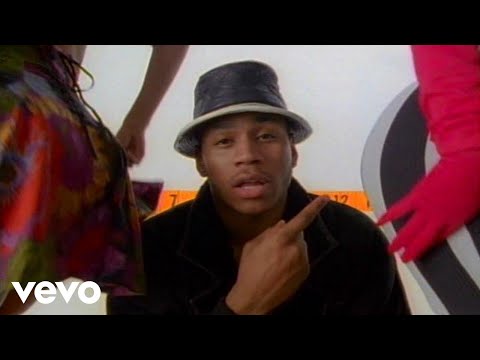
LL Cool J – “Big Ole Butt”
LL Cool J’s rise in hip-hop marked a turning point, proving the genre could be both commercially powerful and creatively expansive. Many of his biggest singles still hold their punch, showcasing a balance of swagger, humor, and emotional clarity that helped shape an entire era. But as with many artists who dominated late-’80s radio, not every track fits comfortably into modern listening habits.
“Big Ole Butt” is one of those songs that seems glued to its time period. The premise revolves around a string of casual relationships, each abandoned the moment the narrator spots someone with more physical appeal. What may have once been intended as playful storytelling now lands with a clumsy thud, overshadowed by its own lack of subtlety.
The song’s most eyebrow-raising moment arrives with a verse involving a high-school student, a detail impossible to ignore today. Whatever humor the track once relied upon fades quickly when viewed through a contemporary lens. LL Cool J’s legacy includes groundbreaking work that still resonates, but this particular single survives mostly as evidence of how quickly a novelty track can lose its charm.