

The Love Song from 1970 That Stayed at No. 1 Longer Than All the Rest
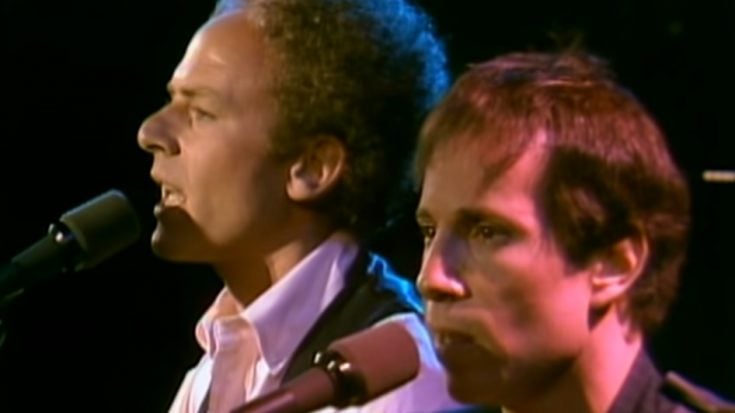
Simon and Garfunkel live in 1981 - Simon & Garfunkel / YouTube
In early 1970, the American charts were crowded with pop, rock, and soul singles battling to break through. Yet one song rose above the noise with a calm, almost spiritual power. When Simon & Garfunkel released “Bridge Over Troubled Water,” listeners didn’t just embrace it — they held onto it. The single took over the Billboard Hot 100 in January and refused to budge, spending six straight weeks at the top and settling into a long run that shaped the entire year. Its gentle promise of support and solace proved irresistible at a time when the cultural mood leaned toward turmoil and change.
Part of the song’s staying power came from how fully formed it felt from the moment it arrived. Paul Simon wrote it with a gospel-influenced sweep, but he stepped aside and let Art Garfunkel deliver the vocal — a decision that gave the recording its soaring, cathedral-like tone. The single went on to win major awards, attract cover versions from the biggest voices of the era, and anchor what would become one of the bestselling albums of all time. It was a rare moment when artistic ambition and mainstream taste aligned perfectly.
But behind the serene performance was a story that reflected tension rather than harmony. Even as the song climbed the charts, the partnership that produced it was splintering. “Bridge Over Troubled Water” may have been the most comforting song of 1970, yet it marked the end of a creative era for its two creators.
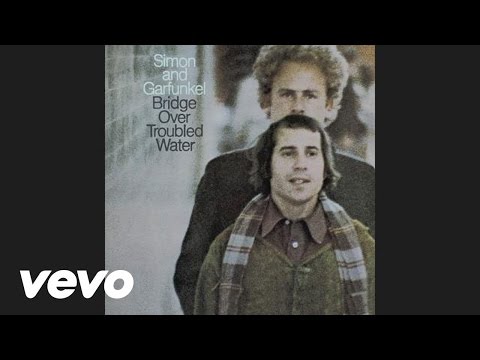
How a Gospel Phrase Sparked One of the Era’s Most Beloved Ballads
Paul Simon’s early draft of the song wasn’t nearly as grand as the version the world knows. Sitting in his Manhattan apartment in 1969, he had a chord progression, a little melody, and not much else. He had been studying the sound of gospel groups — particularly the Swan Silvertones — and a single line from their version of “Oh Mary Don’t You Weep” caught his ear. The Reverend Claude Jeter’s improvised cry, “I’ll be a bridge over deep water,” gave Simon the lyrical spark he needed. He later joked that he didn’t borrow the line so much as “steal” it, but he shaped it into something intimate and universal.
Once Simon understood the emotional core of the song, the first two verses came quickly. He approached the piece like a secular hymn, built around the idea of offering comfort during a moment of fear or uncertainty. The Bach-inspired touches he added gave it extra weight, and the melodic arc invited a wide, open vocal delivery — something he believed Garfunkel could bring to life better than he could. Even in its early form, the song was bigger than the typical folk-rock frame the duo usually worked within.
Still, the composition wasn’t finished. The track felt incomplete to Garfunkel, who pushed Simon to expand the lyric. That insistence turned out to be the final piece the song needed, opening the door for one of its most memorable sections.
The Third Verse That Gave the Song Its Lift
Garfunkel’s request for a third verse could have been dismissed, but Simon took it seriously. He began thinking about small, personal moments at home — including his then-wife Peggy Harper joking about finding her first gray hairs. Out of that came the lines “Sail on silver girl, sail on by,” which added a new emotional texture to the song. Suddenly, the message widened. What began as a gentle reassurance grew into something more triumphant, hinting at renewal and resilience.
Musically, the new verse unlocked the dramatic build that listeners now associate with the recording. The arrangement swelled, the harmonies thickened, and Garfunkel’s voice lifted from tenderness into something almost cinematic. This wasn’t just a quiet song of comfort anymore; it became a full, cathartic release. That shift helped the track stand out at a time when radio singles were often short, upbeat, and easy to digest.
With the additional verse in place, the recording session brought everything together. Producer Roy Halee layered the instrumentation with precision, using echo and air to give the track its wide-open sound. The performance captured a moment of purity for the duo — a moment that, ironically, came just as their partnership was nearing collapse.
A Career Peak That Marked the Beginning of the End
When “Bridge Over Troubled Water” finally reached listeners, its impact was immediate. Simon, confident in Garfunkel’s voice, insisted he sing the lead, though he later admitted mixed feelings about the decision. As the single climbed the charts, Garfunkel became the face of a song Simon had written alone. That mismatch of credit and admiration intensified frustrations that had been simmering for years. Their time apart while Garfunkel filmed Catch-22 had already strained the partnership, leaving Simon feeling isolated as he worked on the album.
The song’s runaway success only heightened the tension. It became the longest-running No. 1 hit of 1970, swept the Grammy Awards, and helped propel the album to international dominance. By the time the dust settled, Bridge Over Troubled Water had reached No. 1 in ten countries and would go on to sell more than 25 million copies. The single became a standard almost immediately, covered by Aretha Franklin, Elvis Presley, and countless others who recognized its emotional weight.
Yet the triumph was bittersweet. The album that carried the song was the last studio release Simon & Garfunkel made together. The harmony that defined their sound couldn’t survive the personal and creative friction surrounding them. Even so, whenever they reunited onstage, this song remained the centerpiece — a reminder of what they were capable of when everything aligned. More than fifty years later, its message still feels comforting, which may be why it has outlived the moment that created it.