

Nikki Sixx’s Brutal Comment To Musicians 65 And Older
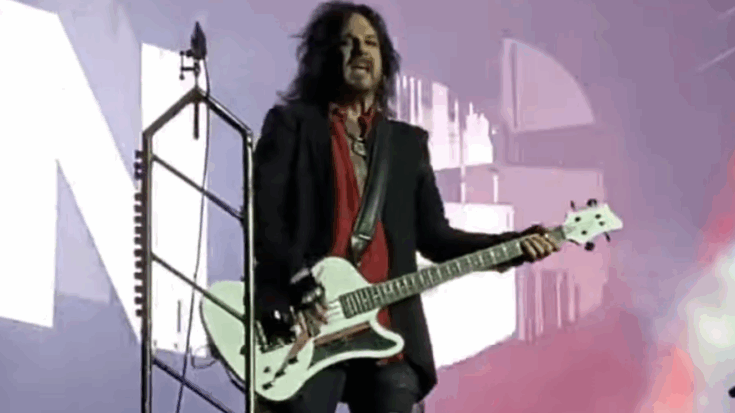
via Safg4258 / YouTube
Nikki Sixx has never been shy about tracing the long arc of his creative life. In a new interview, he reflected on how four and a half decades of writing, touring, and rebuilding himself have reshaped the way he approaches every part of his work. From the raw attitude of Shout at the Devil to the emotional pull of Home Sweet Home, he pointed out how a musician’s priorities naturally shift through the years. He didn’t romanticize the past or dress it up—he simply described the process as chipping away at who you are until the real version comes out.
He also admitted that his personal life affects how he works now more than ever. With a young daughter at home, he chooses a pace that lets him show up for both his family and the fans who still fill arenas. For him, that balance isn’t a compromise—it’s a sign of where he is in life and what matters at this stage. The music, the tours, and the grind all flow around that reality instead of trying to compete with it.
But beneath all the reflection was a sharp honesty that surprised many listeners. Sixx drew a hard line when talking about artists who refuse to grow up, especially those who still cling to the persona they had at 25 despite being decades older. That moment became the headline—because it wasn’t sugar-coated, and it cut right to a truth many fans quietly think but rarely hear said out loud.
Nikki Sixx’s Blunt Take on Aging Rockers Trying to Stay 25
The comment that sparked the most attention was Sixx’s criticism of performers who still act like they’re in their twenties even as they approach 65 or older. He didn’t frame it as a joke or a casual dig. He said plainly that he doesn’t think it’s cool for the fans when older artists cling to a version of themselves that no longer fits. For him, evolution isn’t optional—it’s the natural path of anyone who’s lived a long, loud life in rock.
His point wasn’t about age in a negative way. It was about authenticity. Fans grow, musicians grow, and careers that survive decades do so because they adapt. Mötley Crüe evolved—musically, visually, personally—and he sees that as part of the band’s longevity. Trying to freeze time, he suggested, is what makes artists look out of touch instead of timeless.
Sixx’s criticism hit hard because it reflected something he himself had to learn. The self-destructive energy that fueled his early writing wouldn’t make sense today, and forcing it would ring false. Growth, in his view, is not a betrayal of the past but a sign that the artist respects where they came from and where they are now.
Why Mötley Crüe Thrives on Being Polarizing
Another topic Sixx emphasized was how the band’s identity has always been tied to extreme reactions—love, hate, and everything in between. He laughed about the early days when Christian groups protested outside shows, convinced the band was promoting devil worship. At the same time, arenas were packed with fans who connected deeply with their music and theatrics. That clash, he said, became part of what made Mötley Crüe fascinating to follow.
Even today, the band remains one of the most divisive names in rock. Sixx believes that’s actually a sign of authenticity. When musicians operate according to their own rules, they naturally attract loyal supporters and loud critics. The alternative—softening your edges to offend no one—was never in Mötley Crüe’s DNA. They’d rather take the “bricks in the face” than pretend to fit the expectations of others.
It’s a philosophy that’s kept them culturally relevant long after many of their peers retreated from the spotlight. The band never aimed for safe or middle-ground reactions. They stood right in the center of controversy, embraced the chaos, and let the music and the spectacle justify themselves over time.
A New Tour, Old Battles, and the Reality of Getting Older
Looking ahead, Sixx also talked about Mötley Crüe’s upcoming tour, “The Return of Carnival of Sins,” which celebrates both the original mid-2000s run and the band’s 45th anniversary. The scale of the tour—with 33 cities lined up—shows that even with all the changes in their lives, the group still pushes forward at full force. They’re also using the tour to support young artists, donating a portion of every ticket to the After School Arts Program through their Giveback Initiative.
But the realities of age and health also hang over the band, something fans witnessed recently with Vince Neil’s medical struggles. What was once described vaguely as a “medical procedure” was later revealed to be a series of strokes, culminating in one that left him unable to get out of bed. The honesty surrounding that situation makes Sixx’s earlier comments about aging hit even harder. Rock ‘n’ roll doesn’t stop time, no matter how legendary the band.
Still, the fact that the group continues to push through, adapt, and return to the stage shows a different kind of endurance—one rooted not in pretending to be young forever, but in accepting the years and finding new reasons to show up. For Sixx, that evolution is the only way forward, both personally and professionally.