

Lou Gramm Says He Now Has a ‘Nice Friendship’ with Foreigner’s Current Lineup
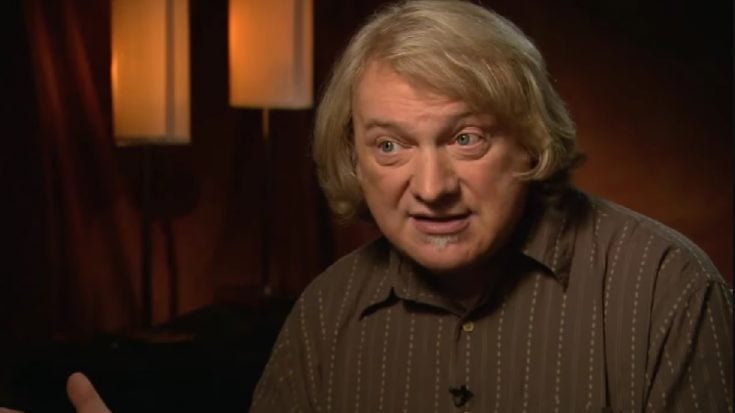
via Oscar Paris / YouTube
Lou Gramm’s story with Foreigner has always carried a sense of timing, luck, and a few sharp turns that shaped one of rock’s most recognizable voices. His recent reflections offer a look at how those early decisions still echo today, especially now that he has reconnected—not musically, but personally—with the band’s current lineup. Instead of dwelling on frustrations or the complicated history surrounding the band’s modern form, Gramm has taken a reflective tone, one that’s surprisingly warm considering how much has changed since he first stepped behind the microphone in the mid-’70s.
His comments trace back to the beginning, setting the groundwork for how Foreigner formed, faltered, and ultimately found its place despite early setbacks. They also reveal someone who has reached a point in life where appreciation outweighs conflict. The bitterness that once surrounded the “new” Foreigner has shifted into something more generous.
And while he acknowledges the difficulty of watching others carry the torch, Gramm ultimately sees the bigger picture. After everything he built with Mick Jones, the legacy now matters more than the lineup. His only goal today is to look back at the music with pride, and look at the present with acceptance.
The Early Twist of Fate
Gramm never expected his path to bend toward Foreigner in the first place. When Mick Jones first approached him for an audition, he was deep in commitments with Black Sheep, a band that had a fresh record on Capitol and a promising tour with KISS underway. That momentum collapsed overnight after a devastating accident wiped out most of their equipment, leaving them scrambling for a way to stay on the road. Even then, Gramm initially turned down the chance to audition, believing his priority was to keep his own band alive.
Jones, however, didn’t give up. He asked to call back in a few weeks, giving Gramm time to see whether Black Sheep could recover. When the label cut ties and the financial situation worsened, it was Gramm’s own bandmates who urged him to reconsider. They knew the road had ended for them, and they refused to hold him back. Their encouragement, he later said, was one of the most selfless moments he’d seen in a struggling band.
That decision changed everything. Gramm contacted Jones and stepped into the audition room, where the seeds of Foreigner finally took root. Even then, nothing came easy. Their first demos were met with lukewarm responses from labels, who praised the players but didn’t fully grasp the band’s direction. Foreigner’s signature sound was still forming, but the chemistry was already undeniable.
How Atlantic Finally Said Yes
One of the turning points in Foreigner’s early days came from an unexpected ally at Atlantic Records. John Kalodner, then a young A&R rep, had attended one of their showcase gigs and saw potential that the label itself had overlooked. Though Atlantic initially passed, Kalodner followed up with a piece of advice that would reshape the band’s songwriting approach entirely: shorten the songs, tighten the hooks, and think like radio.
Gramm admitted that he hadn’t realized how compact the Beatles’ hits were until Kalodner pushed him to time them. The simplicity—and efficiency—of those songs made a lasting impression. Together with Jones, he began trimming and refining their material, sharpening each track without losing the emotion behind it. It was a practical change, but it pulled their sound into sharper focus and set the stage for what would soon become Foreigner’s first batch of hits.
When they brought the revised demos back, Atlantic changed its tune. The label offered a three-album deal, giving the band room to grow and deliver. Their debut landed immediately, launching the Top 5 success of “Feels Like the First Time” and setting Foreigner on a path few new bands could match. Gramm’s powerhouse voice became central to that rise, shaping how fans came to recognize Foreigner in arenas everywhere.
A New Era, and a New Kind of Peace
Decades later, the Foreigner name remains active, even if none of the original members stand onstage. For a long time, that reality bothered Gramm. He has been open about his discomfort with seeing the band operate without the people who built it, especially with Mick Jones stepping back due to health issues. But time has softened the sharp edges of that frustration.
Today, Gramm speaks with a calm understanding about the musicians currently carrying the name. They weren’t responsible for the complicated business decisions or lineup shifts that happened along the way. In his words, if he were offered the chance to join a successful, globally recognized band, he probably would have taken it too. That shift in perspective has allowed room for actual friendship, something that felt impossible years ago.
He has even joined the lineup for a few guest appearances, standing onstage with the musicians who grew up listening to him. For Gramm, those moments highlight what really matters: the music reached people, and it still does. Whatever disagreements or disappointments marked the past, he now focuses on pride—pride in the albums, in the voice that carried them, and in the role he played in shaping Foreigner’s legacy.