

How 3 Famous Songs Led to Massive Conspiracy Theories

via Jesus Ranero / YouTube
Conspiracy theories don’t always start with secret documents or shadowy figures—sometimes they begin with a melody that hits the culture at just the right moment. A vague lyric, an odd studio rumor, or a strange coincidence can spark ideas that listeners hold onto for decades. Before long, a simple song becomes the center of a story far bigger than the artists ever imagined.
Music history is filled with cases like these, especially from the 20th century, when radio, vinyl, and tabloids helped unusual claims spread quickly. Fans picked apart verses as if they were coded messages, replayed tracks backwards, and analyzed album artwork frame by frame. A handful of songs ended up with theories so persistent that they became a permanent part of the music’s legacy, whether the artists welcomed it or not.
The three songs in this article earned that kind of unexpected afterlife. None were written with hidden meanings or grand puzzles in mind, yet they inspired elaborate stories that still resurface today—sometimes whispered as fact, sometimes retold for entertainment. What they reveal is simple: once a song enters the public’s imagination, the audience can shape its mythology just as strongly as the people who wrote it.
“Don’t Worry, Be Happy” Sparked a Grim Rumor
It’s hard to imagine a more harmless song than this bright mix of reggae rhythms and vocal jazz, yet it somehow became the center of a long-running rumor cycle. Bobby McFerrin wrote “Don’t Worry, Be Happy” as a feel-good reminder to slow down and breathe, and it took off in a way few artists ever experience. The track became a cultural shorthand for positivity, topping charts around the globe and playing everywhere from radio stations to television ads.
That kind of success can invite strange stories, though, and this one grew legs fast. Listeners began sharing the idea that McFerrin had fallen into despair after achieving his lone massive hit, fueling an unfounded claim that he had taken his own life—a rumor that circulated long before the internet made misinformation routine. It didn’t matter that the theory clashed with reality; it spread anyway, carried by people who assumed a quiet public profile must mean tragedy.
McFerrin has spent decades disproving that narrative simply by continuing to create, teach, and perform. His career didn’t rely on chasing pop singles, which is why the rumor misunderstood the artist entirely. McFerrin built his life around experimentation, collaboration, and improvisation, not commercial expectations. The conspiracy theory faded as the years passed, but it remains a reminder of how quickly audiences can twist a joyful song into something much darker without a single shred of evidence.
Stevie Nicks’ Stage Presence in “Rhiannon” Fueled Witchcraft Theories
Stevie Nicks has always had an air of mystique, so when Fleetwood Mac released “Rhiannon,” listeners were instantly drawn to its haunting melodies and myth-tinged lyrics. The song was inspired by the Welsh figure Rhiannon after Nicks encountered the character in Mary Bartlet Leader’s novel Triad. She transformed the imagery into one of her most enduring works, pairing it with a vocal performance that hinted at something ancient and otherworldly.
That atmosphere proved fertile ground for fans who wanted the story behind the music to be even bigger. Before long, whispers spread that Nicks wasn’t just singing about a legendary figure—she was channeling one. Enthusiasts dissected her stage presence, her clothing, and her movements as supposed evidence that she was performing more than a song. The fascination grew intense enough that journalists routinely asked her to comment on “witchcraft” rumors she had never intended to invite.
The myth hit its peak after a fiery 1976 performance on The Old Grey Whistle Test, where Nicks threw herself into the song with dramatic energy. For some viewers, that was all the confirmation they needed to claim she was “possessed” by Rhiannon during the performance. In truth, it was nothing more than a seasoned rock performer pushing the emotional edge of her material. What stuck was the idea that her artistic dedication looked supernatural—proof that a good story can cling to a song long after the artist tries to set the record straight.

Fans Debated Whether Bon Scott Wrote “You Shook Me All Night Long”
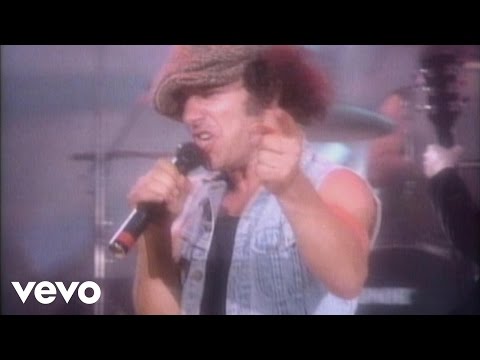
AC/DC’s transition after Bon Scott’s death in early 1980 remains one of rock’s most complicated chapters, and the myth surrounding “You Shook Me All Night Long” grew from the uncertainty of that period. The band regrouped with Brian Johnson at the microphone and moved ahead with Back in Black, a record that became a defining moment not just for AC/DC but for hard rock as a whole. “You Shook Me All Night Long” quickly emerged as one of the standout tracks, capturing the swagger and punch fans recognized instantly.
The problem was timing. Because some early writing sessions for the album began while Scott was still alive, listeners began to speculate that he must have shaped the song’s lyrics or structure. The theory snowballed once fans noticed hints of Scott’s trademark wordplay, which led to claims that the band had downplayed—or even erased—his contributions. It didn’t help that message boards, fan clubs, and documentaries occasionally revisited the rumor without offering solid proof one way or the other.
Historically, the surviving members and official credits have stayed consistent: the finished song belongs to Angus Young, Malcolm Young, and Brian Johnson. While Scott may have witnessed fragments of new material before his death, there’s no documented evidence tying him to the final version of the track. The conspiracy persists mostly because the song arrived at such a painful, transitional moment for the band, and listeners wanted to believe Scott’s spirit lingered in the music. Whether true or not, the rumor shows how fans sometimes rewrite history when grief and speculation blend together.